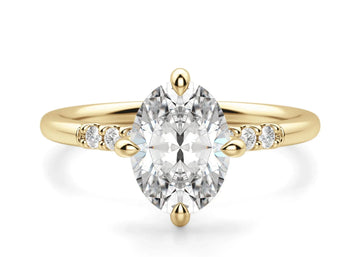
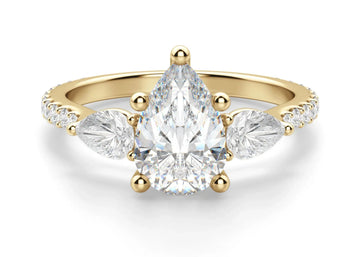
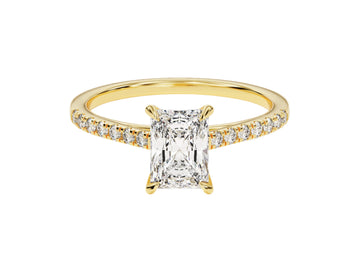
Now the engagement ring market has evolved significantly in the last few years. Modern buyers are no longer limited to traditional mined diamonds while selecting the perfect symbol of commitment and love. Today, the two most popular alternatives are lab grown diamond engagement rings and moissanite engagement rings.
Both these options offer exceptional beauty, a more affordable price, and impressive durability compared to natural diamonds. These diamonds may appear the same at initial look, but the important difference exists in terms of value, sparkle, composition, and overall appearance.
So, if you are comparing lab grown diamond vs moissanite, knowing these differences can help you to make an informed decision that matches your style, budget, and expectations. This guide helps you to explore everything that you need to determine which stone is the right choice for your engagement ring.
Understanding the difference between lab grown diamonds and moissanite
While evaluating moissanite vs lab grown diamond, the initial step is to understand what each stone actually is
Composition
A lab-grown diamond is a real diamond as it has the same optical, physical, and chemical properties as a mined diamond. The only difference is in its origin. Instead of forming underground over billions of years, lab-grown diamonds are made in a highly controlled lab environment with the help of advanced technology that replicates natural diamond growing conditions.
On the other hand, a moissanite diamond is a completely different stone. It is composed of silicon carbide instead of carbon. Although naturally occurring moissanite exists, but they are extremely rare. Almost all moissanite gemstones available today are lab-created.
Origin
Lab grown diamonds are produced via methods like High Pressure High Temperature (HPHT) or Chemical Vapor Deposition (CVD). These processes create genuine diamonds without disturbing the environment connected with traditional mining.
Moissanite was initially discovered in a meteor crater by the French scientist Henri Moissan. As natural moissanite is incredibly scarce, commercial moissanite stones are grown in labs mainly for Jewelry use.
Visual characteristics
At initial look, both stones look almost similar, but trained jewelers and experienced buyers can easily spot the difference. Lab-grown diamonds can easily display the same appearance as natural diamonds, including their sophisticated sparkle and classic white brilliance.
On the other hand, moissanite tends to show more colorful flashes of light, which is used to create a rainbow-like effect under direct light. The unique characteristic is loved by many buyers while other prefers the traditional diamond appearance. Understanding these differences is important when comparing lab grown diamond vs moissanite for an engagement ring purchase.
Read More: Are Lab Grown Diamonds Worth It? A Practical Buyer's Perspective
Comparing sparkle and appearance
Among the biggest factors that influence the engagement ring decision is sparkle.
Diamond brilliance
Diamonds are very famous for their brilliance, which means the white light is reflected back to the eye. Because the lab-grown diamonds have the same optical properties as the mined ones. This is why they deliver identical brilliance. The sparkle of a diamond is timeless, balanced, and elegant. Most buyers appreciate its subtle sophistication and classic luxury appearance.
Moissanite fire
Moissanite is known for its exceptional fire. It means that the colorful flashes of light are produced when the stone reflects illumination. However, the moissanite usually displays more fire than diamonds. Under bright indoor lights or sunlight, moissanite can create a vivid rainbow reflection that immediately catches attention. For many people, this enhanced sparkle is very important. However, others may find it too flashy compared to the refined appearance of natural diamonds.
Which look appeals to different buyers?
While considering moissanite vs lab grown diamond, personal preference plays a major role. Choose the lab grown diamond if you prefer
- A stone that is identical to a natural diamond
- Timeless elegance
- White brilliance
- Traditional diamond aesthetics
Choose moissanite if you prefer:
- Exceptional visual impact
- A distinctive appearance
- Rainbow light effects
- Maximum sparkle
Both options are better but the right choice depends purely on the look that you want your engagement ring to showcase.
Durability and everyday wear
An engagement ring is to be worn daily, and durability is a crucial factor in any engagement ring comparison.
Hardness ratings
The Mohs hardness scale is used to measure a gemstone’s resistance to scratching, where
- Moissanite: 9.25 – 9.5 out of 10
- Diamond: 10 out of 10
As the hardest known gemstone, diamond provides unmatched scratch resistance. The lab grown diamonds always maintain this same advantage as they are real diamonds. Moissanite is also very durable and harder than most gemstone which are used in Jewelry.
Long-term performance
For daily wear, both the stones perform very well. The lab-grown diamonds resist scratching, maintain their polished look, and retain brilliance over years of use. Moissanite also withstands daily wear and tear and remains beautiful over time. It also does not easily crack or chip under normal conditions.
Read More: The Biggest Myths about Lab-Grown Diamonds and What Buyers Should Know
Cost comparison: What can your budget buy?
Price is usually the decision factor when it comes to evaluating lab grown diamond vs moissanite.
Typical price difference
Lab-grown diamonds are usually more affordable than natural diamonds. They usually cost 50 to 80% less. However, moissanite usually costs even less than the lab grown diamonds, but this significant difference in price allows buyers to stretch their budget further while choosing the moissanite.
Size advantages
As moissanite is more affordable than other options, buyers can purchase a bigger stone without even increasing their budget. As an example
- A buyer who is considering a one-carat lab grown diamond may be able to afford a larger moissanite stone.
- Large main stones can also become accessible while maintaining excellent quality and visual appeal.
These advantages make moissanite usually attractive for shoppers who prioritize size and sparkle.
Read More: Are Lab Grown Diamonds Worth It? A Practical Buyer's Perspective
Which option delivers better value?
Determining the value of stone always depends on what matters most to you.
Budget-focused buyers
For the buyers who are budget-conscious, moissanite frequently offers exceptional value. Its benefits are
- Lower purchase price
- Larger stone sizes
- Outstanding brilliance
- Excellent durability
- Minimal maintenance requirements
Buyers can also achieve an impressive engagement ring appearance while spending a little less.
Luxury-focused buyers
For the buyers who always prioritize authenticity and luxury, lab-grown diamonds usually represent the stronger value proposition. Its benefits are
- Genuine diamond composition
- Traditional diamond appearance
- Greater prestige
- Strong emotional appeal
- Identical characteristics to mined diamonds
Most consumers appreciate knowing that they own a real diamond while still enjoying some saving as compared to alternatives for natural diamonds.
Best buyer profiles for each stone
Different customer has different priorities, which makes both gemstones attractive in their own way.
When lab grown diamonds make sense
Lab grown diamond engagement rings are perfect if you:
- Want a real diamond
- Prefer classic diamond sparkle
- Value traditional luxury
- Want a stone visually identical to mined diamonds
- Appreciate advanced technology and sustainability
Lab grown diamonds are the choice of buyers who are looking for the authenticity of diamonds without paying the price of mined diamonds.
When moissanite is the smarter choice?
Moissanite engagement rings may be a better option for you if:
- Have a strict budget
- Want maximum sparkle
- Prefer a larger center stone
- Value affordability
- Enjoy unique rainbow fire effects
Moissanite provides remarkable durability and beauty at a very low cost. It makes it one of the smartest choices for shoppers who are budget-conscious.
Conclusion
Choosing between lab grown diamond vs moissanite ultimately comes down to your personal priorities.
If owning a real diamond matters most, lab grown diamond engagement rings provide the same beauty, durability, and brilliance as mined diamonds while offering substantial savings and a more modern sourcing process.
If maximizing sparkle, size, and affordability is your goal, moissanite engagement rings deliver outstanding visual performance and exceptional value.
There is no universally correct answer in the moissanite vs lab grown diamond debate. Both gemstones offer unique advantages and can create breathtaking engagement rings that symbolize love and commitment for years to come.
The best choice is the one that aligns with your style preferences, expectations, and budget—ensuring that your engagement ring feels perfectly suited to your story.