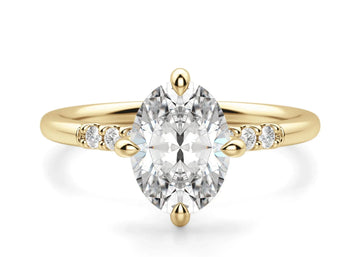
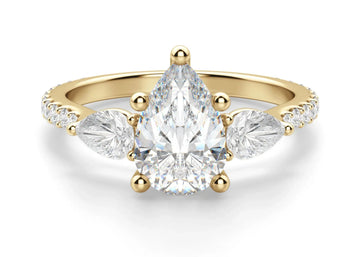
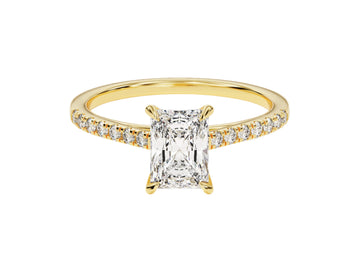
Over the last few years, lab-grown diamonds have earned remarkable popularity among modern Jewelry buyers. As more buyers explore alternatives to the traditionally mined diamonds, conversation around the lab-grown diamonds have aslo become increasingly common. However, despite their growing acceptance, there are several misconceptions that continue to influence buying decisions.
Most of the people still question their durability, authenticity, long-term value, and appearance. Most of this confusion comes from the assumptions or outdate information which no longer reflects the reality of today’s diamond industry.
The main truth is that the lab-grown diamonds have also evolved significantly, and so has the understanding of the customer. Yet most of the same myths have continued to circulate offline and online, leaving modern buyers uncertain about what they have to believe.
Also, understanding the facts behind these common lab grown diamond myths can help consumers make informed and confident decisions. So, whether you are shopping for a special gift, an engagement ring, or a timeless piece of Jewelry, knowing the difference between reality and myth is very important. Let’s take a closer look at some of the biggest misconceptions surrounding the lab grown diamonds and what buyers should really know.
Myth #1: Lab-grown diamonds are fake diamonds
The most common of the lab grown diamond myths is the belief that the lab grown diamonds are fake. This misconception generally arises because many people always confuse the lab-grown diamonds with diamond simulants like moissanite and cubic zirconia. While these stones look like diamonds, they are very different from the real diamonds.
Scientific composition
Lab-grown diamonds are real diamonds. They are made from carbon atoms, which are arranged in the same crystal structure as the mined diamonds. The only difference is in how the lab diamonds are formed.
Natural diamonds are developed deep beneath the earth’s surface over billions of years under extreme heat and pressure. Lab-grown diamonds are created in highly advanced laboratories with the help of technology that resembles these natural conditions. As a result, both the natural and lab-grown diamonds share the same:
· Sparkle and brilliance
· Hardness
· Optical characteristics
· Physical properties
· Chemical composition
Even under the professional examination, the two are virtually identical without specialized testing equipment.
Certification standards
Another important fact that confirms the authenticity is the certification. A reputable gemmological organization like GIA and IGI evaluates the lab-grown diamonds using the identical grading standards applied to natural diamonds. These certifications also assess the diamond’s color, cut, clarity, and carat weight. When the buyers ask, are lab grown diamonds real? The simple answer is yes. They are genuine diamonds that meet recognized industry standards and are professionally graded just like natural diamonds.
Myth #2: They don’t last as long
Another popular misconception is that the lab grown diamonds are a little less durable than natural diamonds. Most of the first-time buyers also worry about the lab-created stone as they think that it will not withstand the daily wear or maintain its beauty over time. Fortunately, the facts below tell a different story.
Hardness and durability facts
As the lab-grown diamonds have the same atomic structure as natural diamonds, they also have similar hardness. Diamonds rank 10 on the Mohs hardness scale, which makes them one of the hardest materials on the earth. The exceptional hardness also helps them to resist scratches and maintain their polished appearance for decades. A lab-grown diamond also does not become weaker just because it was created in a well-established lab.
Every day wear performance
For the Jewelry which is worn daily, durability matters a lot. Lab-grown diamonds always perform exceptionally well in wedding bands, engagement rings, and other regularly worn pieces. They also resist normal wear & tear, can maintain their brilliance, and can easily last for a lifetime when proper care is taken.
Just like natural diamonds, regular cleaning and occasional professional inspection can help them to look their best. For buyers looking for a beautiful stone that can withstand everyday life, lab-grown diamonds provide the same reliability and longevity as mined diamonds.
Myth #3: Nobody wants lab-grown diamonds
Another very outdate belief is that the lab-grown diamonds are not so popular or they only appeal to a very small group of buyers. But the current market trends suggest otherwise.
Market growth trends
The demand for the lab grown diamonds has increased significantly in the last few years. Advantages in technology, improved quality, and greater customer awareness have also made them an increasingly attractive option. Today, most of the major jewelry brands and retailers also include an extensive collection that features the lab grown diamonds. Buyer’s aslo have more choices than earlier, and the market also continues to expand.
Consumer demand shifts
Modern buyers generally approach luxury purchases differently from previous generations. Instead of focusing only on traditions, most of the consumers also evaluate factors like transparency, value, quality, and personal preference.
Due to this, the lab-grown diamonds have also become popular among young customers who always appreciate having more options without compromising on quality and beauty. The increasing popularity of engagement rings, wedding prices, featuring the lab grown diamonds clearly showcases that demand for both real and lab-grown diamonds is increasing. Among all lab grown diamond myths, the idea that buyers do not want them is among the easiest to disprove.
Myth #4: They don’t look like natural diamonds
Among the biggest concerns that buyers have is whether the lab-grown diamonds look different from natural diamonds. The answer may surprise many people.
Visual comparison
To the naked eye, lab-grown diamonds looks same as natural diamonds. They also exhibit the same sparkle, brilliance, fire, and light performance that people associate with traditional diamonds. Their appearance is also determined by the same quality factors like clarity, color, and cut. A beautifully cut lab-grown diamond can be as stunning as a natural diamond. Also, the experienced jeweler cannot reliably distinguish between the diamonds with the naked eye.
Professional grading
Identifying the diamond’s origin typically requires specialized laboratory equipment. Professional gemmological labs also use advanced testing methods to detect subtle growth patterns and reveal whether the diamond was lab-grown or mined. For regular buyers, there is no such visible difference. This is among the most important lab grown diamonds facts to understand while comparing diamond options. Also, beauty is determined by the quality, not where the diamond was formed.
Myth #5: Lab-grown diamonds have no value
Discussion about the value usually creates confusion among the buyers of diamonds. Most of the people assume that the value should be measured only by the future resale potential. But purchasing jewelry is about much more than the resale alone.
Understanding value versus resale
The value of a diamond can mean different things to different people. For most of the buyers, value comes from the exceptional craftsmanship. For other people, it means obtaining the high quality of larger diamond within the specific budget.
Lab-grown diamonds generally allow customers to purchase a stone with better carat, color, and clarity than they might otherwise afford while choosing a natural diamond.
Practical buying considerations
While comparing lab grown vs natural diamonds, it is important to focus on personal priorities instead of assumptions. You should also consider questions like:
· How will I be able to wear jewelry over time?
· How important is the visual impact or size?
· What is my budget?
· What style will best reflect my taste?
· What quality level am I looking for?
By just focusing on these practical considerations, buyers can easily evaluate what truly matters to them and make the choice that aligns with their expectations and needs.
What buyers should focus on instead?
Instead of getting caught up in the outdate misconceptions, buyers should always focus on the factors that truly influence a diamond’s quality, beauty, and overall satisfaction.
Cut quality
Among the 4Cs, cut is usually considered the most important factors which affect the diamond’s appearance. A well-cut diamond always reflects light more effectively and creates a sparkle and brilliance that make diamonds so captivating. Whether lab-grown or natural, an excellent cut diamond can enhance the diamond’s visual appeal.
Certification
Independent certification offers a valuable reassurance while purchasing a diamond. A grading report from the respected elaborated also confirms important quality characteristics, which include clarity, color, cut, and the carat weight.
Design and craftsmanship
The beauty of a piece of jewelry also depends on more than the diamond itself. The quality of metalwork, setting, finishing, and overall craftsmanship contribute to the final appearance and durability of the jewelry.
Conclusion
As the lab grown diamonds continue to gain popularity, misconceptions surrounding them are slowly being replaced by facts. Also, many outdate beliefs still persist and create confusion for the buyers who are trying to make the best choice. The reality is that the lab-grown diamonds are genuine diamonds with the same chemical composition. They offer outstanding durability, growing acceptance, and impressive beauty among customers. Also, by understanding the truth behind these common lab grown diamond myths, customers can easily focus on what truly matters.