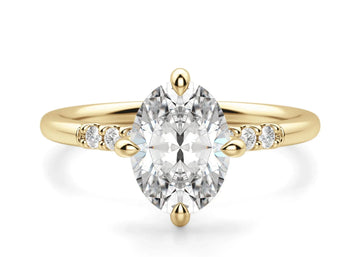
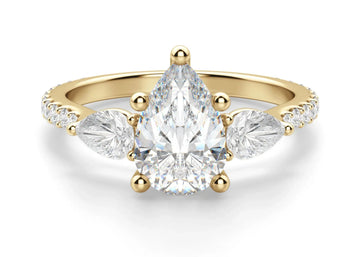
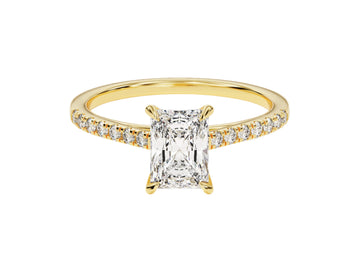
Nowadays, buying a lab grown diamond is easier than ever, but the trick lies elsewhere: whether you are buying the authentic one. Thousand of online retailers and offline jewelry stores promises exceptional brilliance, flawless clarity, and unbelievable prices. Yet two diamonds that differ on your screen or on the desk at a store look the same but differ in quality, craftsmanship, and long-term value. The difference that can be counted often is overlooked by many buyers: lab grown diamond certification. This certification upholds clarity about what type of diamond people are buying, verifies every significant characteristic, and removes guesswork about the diamond’s quality. Whether you are shopping for an engagement ring, diamond necklace, tennis bracelet,, or a timeless pair of earrings, understanding the certification will help you buy with confidence instead of relying on marketing claims.
What Is a Lab-Grown Diamond Certificate?
In simple words, a lab-grown diamond certificate is an official document issued by an independent gemological laboratory. It acts as a report card of your stone, verifying that it is man-made and detailing its accurate quality, cut, color, clarity, and carat weight. Not all lab grown diamond certification carry equal credibility. The authenticity of the laboratory is as significant as the grading itself. The International Gemological Institute (IGI) and Gemological Institute of America (GIA) are the leading authorities for lab-grown diamond certification.
The Information Found on a Diamond Certificate
In this diamond certification guide, you will have a clear idea of what essentials are present within the grading report.
- The certificate number that is exclusive to the diamond you are buying.
- The length, width, and depth of the diamond will also be mentioned in millimeters.
- The color, carat, clarity, and cut of the diamonds.
- The cut grade of your diamond will be graded on a scale of excellent to poor.
IGI vs GIA Certification: What's the Difference?
IGI is an internationally recognized diamond and gemstone grading organization established in 1975 in Antwerp, Belgium, recognized as one of the world’s largest independent gemological laboratories. To obtain an IGI lab grown diamond certificate, the process involves a thorough evaluation of the gemstone. Alongside cut, clarity, carat weight, and color, the grading process considers treatments or enhancements applied.
GIA is a non-profit organization founded in 1931 in Carlsbad, California, USA, considered the world's foremost authority on diamonds and also other colored gemstones. GIA lab-grown diamonds undergo thorough examination using several techniques, including visual inspection, gemological testing, and analysis of physical and chemical properties.
Read More: How to Decide Between a Lab-Grown Diamond and a Moissanite Engagement Ring?
Both of these certifications hold value to the diamond's authenticity, but there are some differences that require proper understanding.
| Factor | IGI | GIA |
|---|---|---|
| Primary Focus | Widely used for grading lab-grown diamonds | Traditionally focused on natural diamonds, now also grades lab-grown diamonds |
| Grading Approach | Extensive experience grading a wide variety of lab-grown and natural diamonds | Known for its highly consistent and methodical grading standards |
| Industry Recognition | Commonly used for lab-grown diamonds and finished jewelry | Considered the global benchmark for natural diamond grading |
| Mounted Jewelry Reports | Can grade both loose diamonds and mounted jewelry | Primarily grades loose diamonds only |
Understanding the 4Cs on the Certificate directly influences beauty and value.
The 4Cs remain the benchmarks of lab grown diamond certification and directly influence beauty and value.
Cut
It determines the sparkle. Many people assume cut refers to shape, but in reality, shape determines round, oval, pear, emerald, or marquise shape. Princess, Asscher, or Cushion are names of some diamond cuts that measure how accurately the diamond has been crafted to reflect light. Let's explain the difference. A beautiful cut one-carat engagement diamond ring can outshine a poorly cut two-carat diamond because of efficient light reflection. If your priority is a sparkling diamond on your finger, in your ears, or on your neck, then cut should be the first consideration.
Clarity
Clarity shows the natural characteristics of the diamond, and the certification identifies its size, location, and visibility. Several VS1 and VS2 (clarity grading parameters) diamonds appear entirely flawless to the naked eye, making them one of the best choices for buyers who are looking for exceptional value without compromising the appearance.
Carat
Carat is not the final identity of a diamond. It is the standard unit for weight for diamonds, gold, and other gemstones. Therefore, it does not automatically determine how a diamond looks. Sometimes a properly cut oval or marquise diamond can look larger than a highly popular round diamond of the same carat weight because of its elongated properties.
Colour
The color grade of diamonds ranges from D to Z. The closer the color of a diamond is to D, the whiter and rarer it appears. Most of the premium range lab grown diamonds are selected from the D to H color range because of their outstanding brightness and excellent value.
Read More: Lab-Grown Diamond vs Moissanite: Which Engagement Ring Is Right for You?
How to Verify a Diamond Certificate
To check the authenticity of the certified lab grown diamonds, follow the instructions stated below.
- Identify the laboratory that issued the certificate, such as GIA or IGI. Then find the unique report number near the top of the document.
- Go to the website of that particular gemological laboratory, enter the report number, and if asked, the carat weight.
- Cross-check all the details mentioned in your report and the information provided by the website against your report. This includes cut, carat, color, and clarity.
- Check for the anti-counterfeiting features such as security holograms, microprint lines, optical variable ink, paper watermarks, and scannable QR codes that connect directly to the lab’s report.
Common Certification Mistakes Buyers Make
In this lab grown diamond buying guide, take a deeper look at common mistakes buyers make.
- Overlooks to check the certification before making a purchase.
- Not fully understanding the 4Cs.
- Not making a proper comparison of the diamond before reaching a decision.
- Accepting in house certifications instead of 3rd party laboratory assessments (IGI and GIA).
- Treating IGI and GIA certification identically.
Why Certification Matters for Long-Term Confidence
The way people buy diamond jewelry has made dramatic changes over the years. People no longer visit jewelry stores; rather, they compare diamonds online before reaching a final decision. This convenience has brought opportunities but also increases the significance of transparency to another level. Therefore, before you make a final decision, always check whether the jewelry you are buying, be it Heart, Radiant, or Toi et Moi engagement rings, is certified or not. Another thing: certifications are issued by independent gemological laboratories like IGI or GIA. For long term confidence, go for certification and trust science, not the seller.
Conclusion
Navigating lab grown diamond certification ultimately comes down to consumer confidence and protecting your investment. A grading report is not just a document; it is an objective, third party audit of a diamond’s authentic characteristics. Always buy certified diamonds for transparency and your peace of mind. Choosing a diamond certified by a reputable independent laboratory such as GIA and IGI guarantees what exactly you are paying for.